
What’s the difference between acute and chronic pain?
Acute pain
Acute pain comes on quite quickly and is often severe. The pain can be sharp or stabbing. You may get acute pain, for example, if you have a kidney stone, burst cyst or urinary tract infection.
As your ADPKD worsens over the years, you may get acute pain more often.
The good news is that acute pain usually gets better with the right treatment.
Chronic (long-term) pain
Chronic pain is any pain that lasts for 3 months or more. We call it long-term pain here.
Long-term pain may be quite mild, such as a nagging discomfort or dull ache. It can be bad too, such as a stabbing pain. Long-term pain in people with ADPKD is often caused by enlarged kidneys or liver. The membrane around these organs can get stretched, causing pain. Pain can also occur when these organs push on nearby organs or cause you to change your posture.
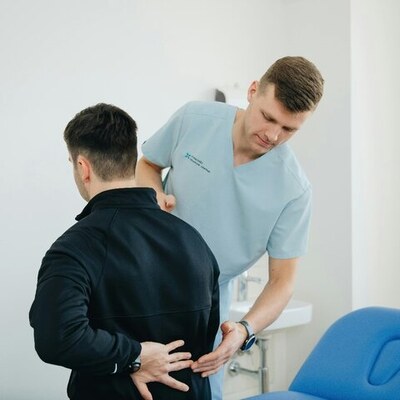
You might feel the pain in your side, lower back or tummy (abdomen). Back pain is the most common.
Pain in your side, back or abdomen can also be caused by things other than ADPKD. These include poor posture or problems with your back (such as your spine, muscles or ligaments):
It may seem strange, but the level of pain people get doesn’t always match their kidney and liver size. Some people with very large kidneys have little pain, and others with smaller kidneys have strong pain.
ADPKD pain can be hard to predict too; you might have very different levels of pain from day to day.
Once you have pain from ADPKD, your nerves can become more sensitive to pain signals, making it worse.
Who will help me manage my long-term pain?
Your GP may refer you to different specialists depending on:
- the likely cause of your pain
- which treatments might help
These specialists could, for example, include a nurse, pharmacist, physiotherapist, psychological therapist, counsellor, pain specialist and occupational therapist. An occupational therapist can help you work out how to adjust your daily routine.

These specialists might be at a hospital, outpatient clinic, health centre or special pain clinic.
Although these people specialize in managing pain, they might not be familiar with ADPKD. So, it’s important that everyone managing your pain works together as a team. You’re part of the team too. Share your choices and views.
If you don’t feel listened to or if people aren’t working together, give this feedback.
Treatments for long-term pain explained
We explain each approach to managing long-term ADPKD pain below. See the earlier table for a summary of the different steps.
Physical therapies (step 1)
A range of physical therapies might help with your pain. These approaches are proven to help some types of pain. They haven’t been studied in people with ADPKD.
A physiotherapist can teach you some of the approaches below.
Applying heat and cold
Applying heat or cold to the skin nearest your pain might reduce it. You could try a heat pad, hot water bottle, wheat bag (which is heated in the microwave), a cold pad, or ice wrapped in a wet towel.
It’s usual to apply heat or cold for 10–15 minutes. You can repeat this every 2 hours. Be careful not to burn yourself.
You could also try an ice massage. Lie on your side and move ice over the area in circles.
Light exercise
Activities such as walking, swimming, gardening and dancing can ease pain. Light exercise helps to reduce any tension you’re holding that is making your pain worse. It also increases levels of chemicals called endorphins, which are the body’s natural painkillers.

Showers and baths
A warm shower or bath may help to ease pain. Whirlpool baths can be particularly good at releasing tension and decreasing pain.
Posture and movement
Poor posture and bad movement patterns can make pain worse. A physiotherapist can give you advice about how to hold your body better while sitting, standing and moving.
They can also suggest equipment or shoes that might help you.
One way to improve your posture and movement is the ‘Alexander technique’. You can learn about it on the NHS website.
Psychological approaches (step 1)
Pain and mental wellbeing are closely connected. Psychological approaches use your own thoughts to reduce pain and its effect on your emotions and life.
These approaches haven’t been studied for ADPKD pain but are known to help some other types of long-term pain.
Therapies based on thoughts and behaviour
These therapies include cognitive behavioural therapy (CBT), mindfulness, and acceptance and commitment therapy (ACT).
These therapies can help you to:
- learn how the way you think can affect your pain
- reduce negative feelings, such as feeling helpless or alone
- find different ways to do the same thing
- work out which things matter most to you, and achieve them
Your GP may refer you to a counsellor or a clinical psychologist to teach you these techniques.
You can find out more from these NHS webpages:
Meditation and relaxation
Relaxation and meditation can help to lessen pain. They can also help to ease anxiety and stress and improve your sleep and mood.

You can learn about meditation on the NHS website. Apps are also available to help you relax and meditate. We give examples at the end of this page.
Mild pain medicines (step 1)
Paracetamol is usually the first pain medicine people try for ADPKD pain. It’s usually safe to use and has few side effects when taken at the correct dose.
People with ADPKD shouldn’t use non-steroidal anti-inflammatory drugs (NSAIDs) long-term as they can damage the kidneys. Examples of NSAIDs are ibuprofen (Nurofen®), aspirin and naproxen. However, if you have acute pain and your kidneys work well, your doctor might recommend NSAIDS for a few days.
Acupuncture (step 2)
Acupuncture uses fine needles put through the skin at trigger points. It helps to lessen pain in the short term for some people. It hasn’t been researched for ADPKD pain.

Find out more about acupuncture on the NHS website.
Stimulating nerves through the skin (step 2)
Transcutaneous electrical nerve stimulation (TENS) uses a weak electric current to excite your nerves. It can ease some types of pain, such as pain from kidney stones. It hasn’t been researched for long-term ADPKD pain.
Experts think TENS works by stopping pain messages reaching your brain. It might also make your body release endorphins, which are a natural painkiller.
Find out more about TENS on the NHS website.
Stronger pain medicines (step 2)
If paracetamol is not reducing your pain, your doctor might suggest adding or swapping pain medicines.
Initial options your doctor may suggest include:
- Using a tricyclic antidepressant (amitriptyline, dosulepin or nortriptyline) alongside paracetamol
- Using gabapentin (a treatment for nerve pain and epilepsy) alongside paracetamol
You might be surprised that antidepressants and epilepsy treatments are listed above. These drugs are well proven to reduce some types of nerve pain. They haven’t been researched in ADPKD but doctors sometimes prescribe them for ADPKD pain.
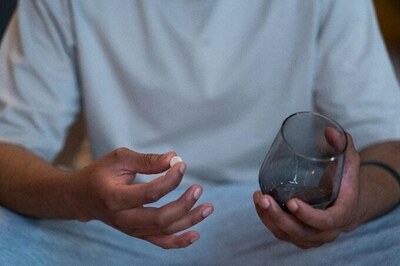
If the pain medicines listed above don’t work for you (or aren’t the right options for you), another option is tramadol. Tramadol is a weaker opioid that can be used alone or alongside some other pain medicines. Your doctor might suggest using it only when your pain is bad despite taking milder medicines.
If tramadol doesn’t work for you (or isn’t right for you), another option is clonidine.
All of these pain medicines can have side effects. You may need to try a few different ones before finding one that works well and has side effects that you can manage.
Opioids (step 3)
You should only use opioids if milder pain medicines aren’t working. This is because they have many side effects and it’s easy to get addicted.
Your body can get used to opioids, meaning you need to take higher and higher doses to have the same painkilling effect.
The weakest opioids include codeine and dihydrocodeine. Tramadol is slightly stronger, followed by morphine, oxycodone, hydromorphone and methadone. Fentanyl and buprenorphine are much stronger opioids. They can be given as patches you put on your skin to release them slowly over days.
Doctors usually only prescribe high doses of opioids for short-term use.
To reduce your risk of getting dependent on opioids, keep using physical therapies and other treatments that help your pain. You can then keep your use of opioids down as much as possible.
Be careful to use the dose your doctor prescribes you. If your kidneys don’t work well, you may need to take a lower dose of opioids than usual.
Procedures or surgery to treat cysts (step 3)
If a large cyst is the likely cause of your pain, your kidney doctor may suggest draining the fluid out of it. This is a useful test to see whether it reduces your pain.
The cyst is likely to refill over time. If draining it helped you, you can have it treated to stop it coming back.
Find out more on our webpage Draining and treating cysts.
Procedures to treat nerves (step 3)
Most people don’t have nerve treatments. Doctors only usually recommend them if other treatments aren’t working.
We sense pain when nerves carry a signal about possible tissue damage to our brain. Treating nerves to block these signals often reduces pain a lot.
These procedures are invasive. This means they involve needles or other equipment being put into the body. They have some risks and side effects, which can be severe. They also don’t work for everyone. This is why they’re only used when safer treatments have failed.
Expert Yuki Heath tells us that nerve treatments are not widely available on the NHS to treat ADPKD pain. Availability can vary depending on the expertise at your local hospital.
Coeliac plexus block
This may help with pain caused by an enlarged liver. A doctor or anaesthesiologist will inject an anaesthetic (numbing medicine) into a group of nerves called the coeliac plexus. These nerves are in your abdomen (tummy).
This injection only works short term. It’s a way to see whether a bigger procedure would help you.
Radiofrequency ablation of the splanchnic nerve
If a coeliac plexus block works for you, a long-term solution is to treat the nerve that’s probably carrying the pain signal from your liver or nearby tissues. This is called the splanchnic nerve.
A doctor or anaesthesiologist will treat the nerve using radiofrequency ablation. This uses an electric current to produce heat that numbs the nerve.
Cutting nerves from the kidneys
If a coeliac plexus block doesn’t work for you, the pain signals might be coming from your kidneys.
Cutting nerves from the kidneys may help, although there hasn’t been much research on this.
There are a few different procedures and surgeries that can be used to break the nerves. A specialist will talk you through the best options for you, including the risks and benefits.
Spinal cord stimulation
This treatment involves surgery to put a small device into your body. This device delivers an electric current through a wire to nerves in your spine to reduce pain signals. You can control the current with a remote control.
Spinal cord stimulation can help to reduce some types of pain, although it doesn’t work for everyone. It hasn’t been researched in ADPKD.
Removing one or both kidneys (step 4)
When a kidney (or both kidneys) is the source of ADPKD pain, removing it usually works very well to reduce pain. This surgery is called nephrectomy.
Nephrectomy is major surgery and comes with risks, so it’s used only when all other methods haven’t worked.
If you have a kidney removed, your kidney function will drop. So, you might well need dialysis or a transplant sooner than you otherwise would. If you have both kidneys removed, you will need a kidney transplant or dialysis.
Find out more on our webpage on Kidney removal (nephrectomy).
Removing part or all the liver (step 4)
When an enlarged liver is the source of ADPKD pain, removing part of it usually works well to reduce pain. This is called partial hepatectomy.
Partial hepatectomy is major surgery and comes with risks, so it’s used only when other methods fail.
Rarely, people have their whole liver removed (full hepatectomy) followed by a liver transplant.
Reducing your risk of ADPKD pain
Often, ADPKD pain can’t be avoided but can be managed. Here are a few steps you can take to reduce your chance of getting pain from ADPKD:
- Drink enough water to avoid thirst. This can help to reduce your risk of urinary tract infections and kidney stones, which can cause pain.
- People who are obese tend to have worse ADPKD pain, so it’s a good idea to eat a healthy diet and stay active. This can help you to stay a healthy weight (usually, a body mass index under 25 kg/m2).
- Avoid sports where you’re likely to get a knock to your kidneys. This reduces your chance of getting pain from a burst or bleeding cyst. However, balance this against the benefits of your favourite sports on your health and wellbeing.

Further Information
All of our publications are based on references but these are removed for ease of reading on our webpages. A version of this webpage with references included is available upon request by emailing [email protected]
Authors and contributors
Written by Hannah Bridges, independent medical writer, HB Health Comms Limited, PhD. Expert review by Yuki Heath, Specialty Doctor in Renal Medicine, University of Birmingham.

With thanks to all those affected by ADPKD who contributed to this publication.
Ref No: ADPKD.PAIN.v4.0
© PKD Charity 2026
Last updated: June 2026
Next scheduled review: June 2029
Disclaimer: This information is primarily for people in the UK. We have made every effort to ensure that the information we provide is correct and up to date. However, it is not a substitute for professional medical advice or a medical examination. We do not promote or recommend any treatment. We do not accept liability for any errors or omissions. Medical information, the law, and government regulations change rapidly, so always consult your GP, pharmacist, or other medical professional if you have any concerns or before starting any new treatment.
If you don't have access to a printer and would like a printed version of this information sheet, or any other PKD Charity information, call the PKD Charity Helpline on 0300 111 1234 (weekdays, 9am–5pm) or email [email protected].
The PKD Charity Helpline offers confidential support and information to anyone affected by PKD, including family, friends, carers, newly diagnosed individuals, or those who have lived with the condition for many years.
Written by Hannah Bridges, independent medical writer, HB Health Comms Limited, PhD. Expert review by Yuki Heath, Specialty Doctor in Renal Medicine, University of Birmingham.
With thanks to all those affected by ADPKD who contributed to this publication.
Ref No: ADPKD.PAIN.v4.0
© PKD Charity 2026
Last updated: June 2026
Next scheduled review: June 2029
Disclaimer: This information is primarily for people in the UK. We have made every effort to ensure that the information we provide is correct and up to date. However, it is not a substitute for professional medical advice or a medical examination. We do not promote or recommend any treatment. We do not accept liability for any errors or omissions. Medical information, the law, and government regulations change rapidly, so always consult your GP, pharmacist, or other medical professional if you have any concerns or before starting any new treatment.
If you don't have access to a printer and would like a printed version of this information sheet, or any other PKD Charity information, call the PKD Charity Helpline on 0300 111 1234 (weekdays, 9am–5pm) or email [email protected].
The PKD Charity Helpline offers confidential support and information to anyone affected by PKD, including family, friends, carers, newly diagnosed individuals, or those who have lived with the condition for many years.