
Planning a pregnancy if you have ADPKD
This information is for people with autosomal dominant polycystic kidney disease (ADPKD) who are thinking of having a baby. It’s also for their family and friends. It answers questions you’re likely to have, such as whether you can get pregnant or will your baby have ADPKD? Also, what extra steps help to look after you and your baby’s health? We have separate pages on being pregnant and giving birth.
If reading about the risks of pregnancy causes you any worry, our helpline is available on 0300 111 1234, Facebook Messenger and by email on [email protected].
Contents
- Key facts
- Can women with ADPKD get pregnant?
- Can men with ADPKD father children?
- How might ADPKD affect my pregnancy?
- Miscarriage
- Blood pressure problems
- Urinary tract infections
- Effects on the baby
- Will our baby have ADPKD?
- Are there ways to have a baby without ADPKD?
- How should we plan a pregnancy?
- What if we're having trouble getting pregnant?
- Medicines in pregnancy
- Will being pregnant harm my kidneys?
- Will being pregnant harm my liver?
- What about surrogacy or adoption?
- Where can I get practical and emotional support?
- Will my ADPKD affect how well I can parent?
- More information from the PKD Charity
- Useful information from others
- Authors and contributors
- Feedback
Key facts
- It’s a good idea to talk to your GP and kidney doctor before trying to get pregnant.
- They can explain any extra care you might need and check whether you need to stop or swap any medicines.
- How well women’s kidneys work can affect how easily they get pregnant (their fertility).
- ADPKD doesn’t usually affect men’s fertility but may cause difficulties with sex.
- If you and your partner are having problems getting pregnant, fertility services and other treatments can often help.
- Most women with ADPKD have successful pregnancies.
- If you have ADPKD, your chance of having some problems during pregnancy may be higher than other women.
- Treatments are available for these problems.
- If your kidneys don’t work well, your baby is more likely to grow slowly. They could be born a low weight, be born early and need care in a special unit.
- If you want to be sure you have a baby without ADPKD, you might be able to have a special type of in vitro fertilization (IVF) where your embryos are tested for ADPKD.
- Another option is to have your developing baby (fetus) tested for ADPKD early in pregnancy.
- The amount that pregnancy could affect your kidneys depends, in part, on how well they work currently.
- Your alternatives to pregnancy may include surrogacy or adoption.
Can women with ADPKD get pregnant?
How well your kidneys work may affect how easily you can get pregnant (your fertility).
If your kidneys work quite well, ADPKD probably won’t affect your fertility.
If your kidneys don’t work well, it might be harder to get pregnant. You may have low levels of some hormones in your body. This means your ovaries are less likely to release an egg each month (ovulate).
If you’re not having success getting pregnant, ask your GP (doctor) to refer you to a fertility specialist. They can look into why and talk you through options to help.
In vitro fertilization (IVF) helps many people with kidney disease to have a baby. It has a few risks.1 Ask the fertility specialist to explain these.
Find out how IVF works on the Tommy’s website. Tommy's are a charity that provide information and support around pregnancy.

Can men with ADPKD father children?
ADPKD doesn’t usually affect men’s fertility (the chance of their sperm fertilizing an egg).
Some men with ADPKD have cysts in the tubes that carry semen and sperm.3 ADPKD can also affect sperm (for example, reducing how well sperm can swim).
Despite these changes, most men with ADPKD are probably fertile. There hasn’t been much research on this so we can’t be sure.
Men whose kidneys don’t work well (chronic kidney disease) often have problems getting or keeping an erection. Some may have less interest in sex or have problems ejaculating (‘coming’).
If you’re trying for a baby and aren’t having success, speak to your GP. Changing your kidney treatments or using treatments for erection problems may help. Your doctor can also arrange for you to see a fertility specialist or suggest counselling to work through sexual issues.
How might ADPKD affect my pregnancy?
If you have ADPKD, your chance of having some problems during pregnancy may be higher than other women. The worse your kidneys work, the greater the chance of problems. We explain some of these problems below.
Some problems during pregnancy could affect your health or your baby’s. However, most problems can be managed with treatment and careful monitoring.
Most women with ADPKD have successful pregnancies. This includes women with ADPKD who have had a kidney transplant.
Before getting pregnant, speak to your kidney doctor (nephrologist) about how your ADPKD might affect pregnancy. Also ask your GP to refer you to a pregnancy specialist (obstetrician) for advice.
A team of pregnancy experts called an antenatal team will monitor you carefully throughout your pregnancy. This means they can pick up any problems quickly and get you the right treatment.
Miscarriage
Loss of a pregnancy before week 23 is called miscarriage. Miscarriage is common in the UK. It happens in about 15 out of every 100 pregnancies in the general population.
We are not sure whether having ADPKD affects your chance of having a miscarriage.
Studies have shown that women with chronic kidney disease have a higher risk of miscarriage. However, many women with ADPKD at childbearing age have kidneys that work quite well. So, the results of studies in chronic kidney disease might not be relevant to all women with ADPKD.
You can learn more about miscarriage on the Tommy’s website.
Blood pressure problems
If you have ADPKD, you’re more likely to get blood pressure problems during your pregnancy than other women. This is why your blood pressure should be monitored during pregnancy.
- If you already have high blood pressure, this could worsen during pregnancy.
- If you don’t have high blood pressure, you could develop it during pregnancy (this is called gestational hypertension).
- You could get a problem called pre-eclampsia, where your blood pressure gets very high. This can be dangerous for you and your baby.
You’re more likely to get pre-eclampsia if your kidneys work poorly.
Most women with high blood pressure and pre-eclampsia have successful pregnancies. However, these conditions need careful management to keep you and your baby safe.
Very high blood pressure caused by pre-eclampsia usually reduces within days of giving birth.
Urinary tract infections
Women with ADPKD are more likely to get urinary tract infections while pregnant than other women. These infections sometimes travel to the kidneys.
If you get an infection, you’ll need antibiotics to treat it.
Effects on the baby
If your kidneys don’t work well (low kidney function), your baby is more likely to:
- grow slowly or be born a low weight
- be born early (premature birth)
- need care in a special unit (a neonatal unit) after birth
A recent study looked at over 1600 pregnant women with ADPKD in the UK. These women were not on dialysis, had not had a transplant and most had near normal kidney function. Fewer than 2 in every 10 women (17%) had a premature baby (birth before 37 weeks). (A full-length pregnancy is about 40 weeks.)
A different study looked at pregnant women with ADPKD who had low or very low kidney function. About 7 in every 10 women (70%) had a premature baby (birth before 37 weeks). The women with high blood pressure were most likely to have a premature baby.
Premature babies often need special care in a neonatal unit. You can find out more about specialist neonatal care on the NHS website.
Will our baby have ADPKD?
If you or your partner have ADPKD, there’s a 1 in 2 (50%) chance of your baby having ADPKD. This risk is the same for each child you have.
ADPKD is caused by a gene change:
- If your baby inherits the changed gene from the parent with ADPKD, they’ll have ADPKD.
- If your baby inherits a healthy gene from both parents, they won’t have ADPKD.
Find out more about how ADPKD is passed to children on our page Genetic testing and counselling for ADPKD.
Are there ways to have a baby without ADPKD?
If you or your partner have ADPKD and you want a baby without the condition, your options may include:
- If the man has ADPKD, you could use a sperm donor.
- If the woman has ADPKD, you could use an egg donor.
- You might be able to have a special type of IVF that selects an embryo without ADPKD. This is called pre-implantation genetic testing (PGT).
- You could have your developing baby (fetus) tested for ADPKD early in pregnancy. This is called chorionic villus sampling. You can choose whether to continue the pregnancy depending on the results.
Pre-implantation genetic testing
A few fertility clinics can offer people with ADPKD a special type of IVF called pre-implantation genetic testing (PGT).
For PGT, the clinic will test embryos made by IVF to find ones without ADPKD. An embryo without ADPKD is put in your womb. This means your baby won’t have ADPKD.
About a third of couples having PGT have a baby.
If you want to look into PGT, the first steps are:
- Ask your GP whether PGT is available on the NHS in your area.
- Ask your doctor to refer you to a genetics specialist to discuss PGT.
- If the genetics service agrees you can have PGT, you’ll need to go to a specialist centre. There are not many in the UK so you may need to travel quite far.
To have PGT, the person with ADPKD will need genetic testing to find the gene causing their ADPKD.
Find out more about PGT on the Genetic Alliance website.
You may choose to have PGT privately if you can’t get NHS funding. Learn about choosing a clinic on the Human Fertilisation and Embryology Authority website.
Chorionic villus sampling
If you or your partner have ADPKD, you can have your developing baby (fetus) tested for ADPKD in the womb. This is called chorionic villus sampling. It’s done at weeks 11–14 of pregnancy.
To do the test, your pregnancy doctor will take a sample of cells from the placenta. This is usually done by putting a needle through your abdomen (tummy).
There’s a small risk of the test leading to miscarriage. This happens in fewer than 1 in every 200 women.
Doctors only recommend chorionic villus sampling when the results would help you decide whether to end a pregnancy.
See the NHS website for more on:
Our helpline is available on 0300 111 1234, Facebook Messenger or email ([email protected]) for emotional support.
The charity Antenatal Results and Choices has a helpline for people considering the results of these tests. Call 0207 713 7486 or text 07908 683004.
How should we plan a pregnancy?
Here are 4 tips on planning a pregnancy.
1. Use contraception until the time is right
Use contraception until you’re ready to start trying for a baby. Your GP or kidney doctor can suggest suitable contraceptives for you.
They might suggest you use a contraceptive that doesn’t contain oestrogen. This depends on how ADPKD is affecting you. For example, your doctor may recommend you use contraceptives without oestrogen if you have liver cysts or if you have high blood pressure.
Emergency contraception (‘the morning after pill’) made with progesterone only is usually safe for women with kidney disease.2 Remember to let the pharmacist or GP know you have ADPKD.
2. Ask your GP or kidney doctor for advice
It’s useful to talk to your GP or kidney doctor before getting pregnant.
They can explain:
- how ADPKD might affect your pregnancy
- how having a baby might affect your kidneys
- whether you need to change any medicines before or during pregnancy
- the chance of your baby having ADPKD
They can also refer you to other experts for advice, such as:
- a pregnancy doctor (obstetrician)
- a specialist in genetics
- a fertility specialist
They can make sure your kidney health and blood pressure are managed well, ready for pregnancy.3
If you’re on dialysis, your kidney doctor will explain any changes you might need to make.2
3. Take folic acid
All women trying to get pregnant (including those with ADPKD) should take folic acid Women usually take folic acid when trying to get pregnant and for the first 12 weeks of pregnancy.
Folic acid reduces the risk of problems with your baby’s spine and spinal cord.
4. Follow general advice on healthy living before pregnancy
Health advice for women trying to get pregnant includes:
- stay a healthy weight
- don’t smoke
- don’t drink alcohol
You can learn more about trying to get pregnant on the NHS website.
What if we’re having trouble getting pregnant?
If you’re having trouble getting pregnant, speak to your GP. They’ll refer you to a fertility clinic or can provide treatment to help.
A doctor at a fertility clinic will explain:
- the different fertility treatments available
- the chance of success
- any risks involved
One of the options might be in vitro fertilization (IVF).
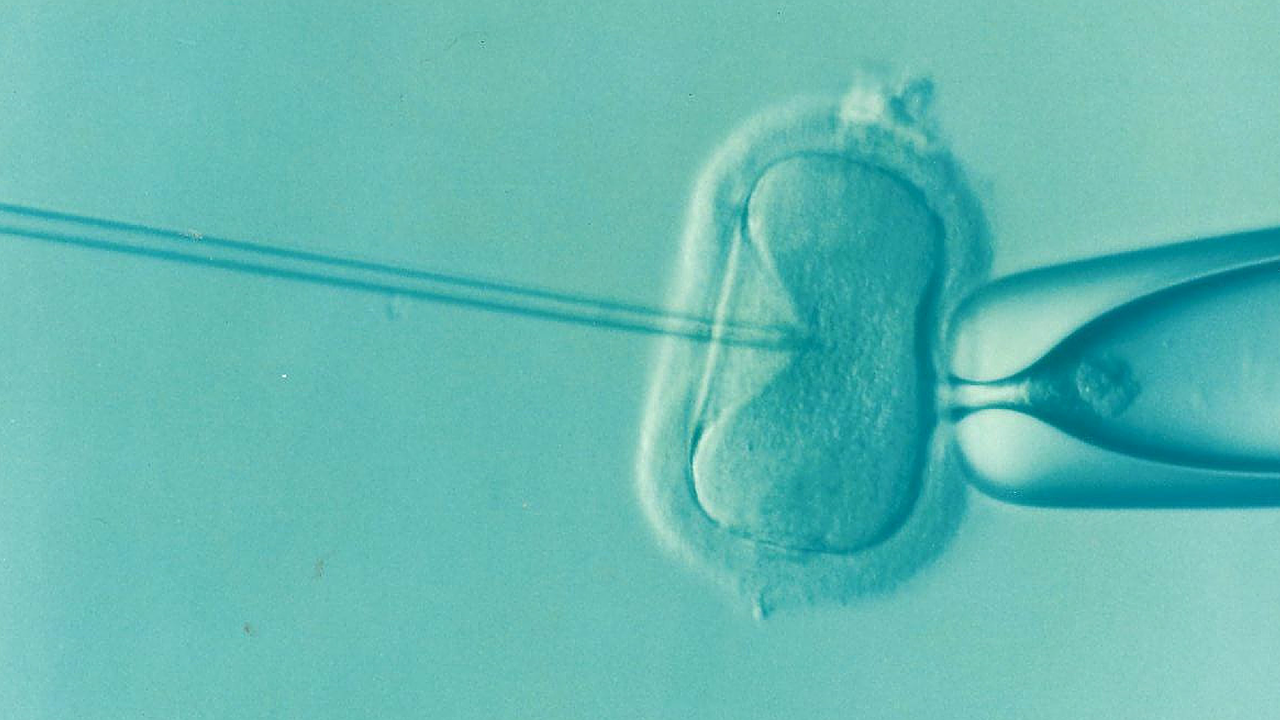
Having IVF
If a fertility specialist thinks IVF may help you, a group of people (a local board) will decide whether the NHS will pay. Rules can differ by area of the UK.
The board’s decision may depend on:
- your age
- how long you’ve been trying to get pregnant
- your weight
- whether you smoke
- whether you already have children
- why your fertility is low
You can learn more about IVF on the NHS website.
You may choose to pay for IVF yourself if you can’t get NHS funding. Learn about choosing a clinic on the Human Fertilisation and Embryology Authority website.
Your fertility specialist may advise you against standard IVF if ADPKD is badly affecting your kidneys or liver. This is because the high doses of hormones used could make things worse. You might be able to have IVF without taking these hormones but it’s less likely to work.
Medicines in pregnancy
Which medicines can be a problem during pregnancy?
Some medicines are unsafe to use during pregnancy. They could harm your growing baby in the womb. We list some of these medicines in the table below.
Ask your doctor to review your medicines before you get pregnant. If you’re already pregnant, ask for a review right away.
Never stop taking medicines without talking to a doctor first. This could put you or your baby at risk.
You might need to swap to a different medicine, rather than stopping treatment. For example, women taking medicine for high blood pressure usually swap to a different medicine during pregnancy. This ensures that their blood pressure is still controlled, which is important for pregnancy.
Medicines that your doctor may advise you to stop or swap during pregnancy
|
Medicines to reduce cyst growth
|
|
Medicines to control blood pressure
|
|
Medicines to treat overactive parathyroid glands
|
|
Medicines to treat high phosphate levels
|
|
Antibiotics · Erythromycin and clarithromycin if you’re also taking the immunosuppressant tacrolimus or ciclosporin. |
|
Immunosuppressants (used after kidney transplant)
|
Will being pregnant harm my kidneys?
Pregnancy can cause some damage to your kidneys.
If your kidney function is medium (chronic kidney disease stage 3), having a baby could slightly affect your kidneys. The damage is about the same as ADPKD would usually cause over 2 years.
If your kidney function is poor (chronic kidney disease stage 4 or 5), having a baby could affect your kidneys quite a bit. The damage is about the same as ADPKD would usually cause over 5 years.
If you get high blood pressure during pregnancy, your kidneys are more likely to get some damage.
Your kidney doctor can explain:
- how pregnancy might affect your kidney health
- how you can reduce risks
- signs of kidney problems to look out for
- treatments to help
Will being pregnant harm my liver?
Many women with ADPKD have cysts in their liver. This is known as polycystic liver disease (PLD).
Pregnancy can increase the growth of liver cysts. However, experts think pregnancy doesn’t increase your chance of having serious problems from PLD. There’s not been much research on this, so we can’t be sure.
What about surrogacy or adoption?
If pregnancy is impossible or dangerous for you, surrogacy might be an option. This means another woman (the surrogate) carries your baby for you. Surrogacy is also an option for same-sex couples and people who are single.
The NHS does not fund surrogacy.
Find out about surrogacy on the Human Fertilisation & Embryology Authority website.
Another option for you may be adoption. As part of the approval process for adoption, the agency will assess your health. People with a long-term condition like ADPKD might be allowed to adopt.
The agency will explore with you:
- whether your health might affect your ability to bring up children
- the support you’ll have from your partner, close family and friends
Find out about adoption on the You Can Adopt website.
Where can I get practical and emotional support?
For information, practical advice and emotional support from people with experience of ADPKD, ring our confidential PKD Helpline 0300 111 1234. We’re open 9:30am to 5:00pm, Monday to Friday, except bank holidays.
You can connect with other people with ADPKD via our Facebook group or PKD support groups.
The charities Tommy’s and the National Childbirth Trust (NCT) also offer advice on pregnancy, birth, miscarriage, caring for babies, and more.
Will my ADPKD affect how well I can parent?
Having ADPKD won’t stop you being a good parent.
You might need more support with childcare if you’re unwell or having treatment.
Ask your kidney doctor to explain how your ADPKD may affect your health as you get older.
Chat with your partner, family and friends about any worries. Having their support and putting plans in place can be reassuring.
You may find it helpful to talk to other parents with ADPKD. You can connect with them through our Facebook group or support groups.
More information from the PKD Charity
- Being pregnant if you have ADPKD
- Giving birth if you have ADPKD
- https://pkdcharity.org.uk/adpkd/what-is-adpkd/genetic-counselling-and-testingGenetic testing and counselling in ADPKDGenetic testing and counselling in ADPKD
- Progression (worsening kidney function)
- https://pkdcharity.org.uk/support/supportSupportSupport
Useful information from others
- The National Kidney Federation has information for men and women on sexual relationships.
- Kidney Care UK has information on erectile dysfunction and kidney disease.
- Tommy’s (a pregnancy and baby charity) has lots of information on pregnancy.
- The NHS website has information on pregnancy.
- Guy’s and St Thomas’ NHS Foundation Trust has information on pre-implantation genetic testing.
- The Genetic Alliance has information on genetic tests, including pre-implantation genetic testing.
- The Human Fertilisation and Embryology Authority (HFEA) has information on how to choose a fertility clinic and a search page for fertility clinics.
Authors and contributors
Written by Hannah Bridges, independent medical writer, HB Health Comms Limited. Reviewed by Dr Mairéad Hamill, Nephrology Specialist Registrar, Kings College London, London, UK.
This page was adapted from an earlier version written by Dr Kate Bramham, Consultant Nephrologist and Olivia Snowball, Research Midwife.
With thanks to all the people affected by ADPKD who contributed to this publication.
Ref No: ADPKD.PLANPREG.V4.0
© PKD Charity 2026 (Charity No. 1160970)
First published: August 2026
Due to be medically reviewed: August 2029
Disclaimer: This information is primarily for people in the UK. We have made every effort to ensure that the information we provide is correct and up to date. However, it is not a substitute for professional medical advice or a medical examination. We do not promote or recommend any treatment. We do not accept liability for any errors or omissions. Medical information, the law and government regulations change rapidly, so always consult your GP, pharmacist or other medical professional if you have any concerns or before starting any new treatment.
If you don't have access to a printer and would like a printed version of this information sheet, or any other PKD Charity information, call the PKD Charity Helpline on 0300 111 1234 (weekdays, 9am–5pm) or email [email protected]
The PKD Charity Helpline offers confidential support and information to anyone affected by PKD, including family, friends, carers, newly diagnosed or those who have lived with the condition for many years.