Helpline

0300 111 1234

Polycystic Kidney Disease (PKD)

Polycystic Kidney Disease (PKD)
Understanding PKD

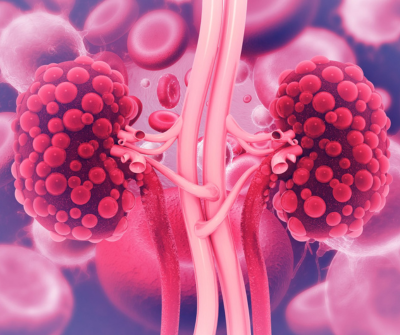
Understanding polycystic kidney disease (PKD) and its types, symptoms, diagnosis, treatment, and lifestyle considerations is important for managing this chronic condition. Since 2000, our mission has been to raise awareness of PKD, support affected families and fund research for better treatments, care and a potential cure. 

This page will assess important information related to PKD, from how common it is to how it affects the lives of those who have it; the more people understand this disease, the more work we can do to support and manage it.

What is Polycystic Kidney Disease (PKD)?

PKD is a genetic disorder that affects people of all ages, races and ethnicities and occurs equally in males and females. PKD primarily affects the kidneys, causing the growth of numerous fluid-filled cysts. These cysts can significantly enlarge the kidneys and impair their function over time, leading to serious health complications such as chronic kidney disease (CKD) and end-stage renal disease (ESRD). PKD is usually inherited from an affected parent in ADPKD, or from carrier parents in ARPKD. It can also result from a spontaneous genetic mutation. 

There are two main types of PKD: Autosomal Dominant Polycystic Kidney Disease (ADPKD), which typically manifests in adulthood and is caused by a mutation in either the PKD1 or PKD2 genes, and Autosomal Recessive Polycystic Kidney Disease (ARPKD), a rarer form that presents in babies and young children due to mutations in the PKD1 gene. It's estimated up to 1 in every 1000 to 2500 people in the UK has ADPKD, and roughly 1 in 20,000 babies are born with ARPKD. 
What Causes PKD?

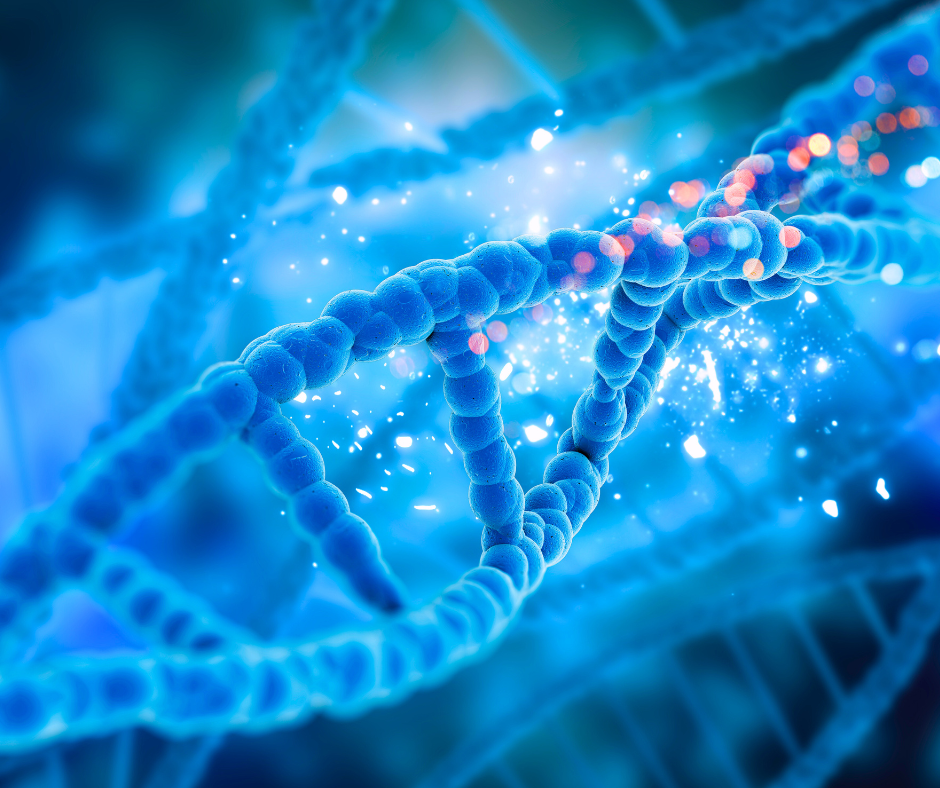
PKD is caused by genetic flaws which vary depending on which type the person has. 

ADPKD

For ADPKD, a person needs only one copy of a mutated PKD1 Or PKD2 gene from an affected parent to develop the disease, known as an “Autosomal Dominant” inheritance pattern. If one parent has a faulty PKD1 or PKD2 gene, there is a 50% chance that each child they have will inherit the condition. 

ARPKD

ARPKD follows a different inheritance pattern, known as “Autosomal Recessive”. A person must inherit two copies of the mutated gene, one from each parent, to develop the disease. If both parents are carriers of the ARPKD gene mutation, there is a 25% chance that each child they have will inherit the condition. Carriers of the disease do not actually have the disease themselves.

Spontaneous Mutations

In rare cases, PKD can result from spontaneous mutations in the PKD1 or PKD2 genes, meaning the disease can occur even without a family history of PKD. This is more common in ADPKD than in ARPKD.

What Are the Symptoms of PKD?

Many symptoms of PKD are shared with other illnesses and diseases, so if you do not have a family history of this disease, they are unlikely to be related. Usual symptoms of PKD include:

  • High blood pressure (hypertension)

  • Pain in the back or sides

  • Blood in the urine (hematuria)

  • Frequent kidney infections

  • Headaches

  • Urinary tract infections (UTIs)

  • Kidney stones

  • Increased size of your abdomen (due to enlarged kidneys)

  • Decreased kidney function, potentially leading to chronic kidney disease (CKD) and end-stage renal disease (ESRD)

If you have any symptoms, alongside a first-degree relative with PKD (parent, child or sibling), it is important to speak to a doctor and schedule a screening appointment. Some people have more obvious symptoms than others, and it is not uncommon to have the disease for years without knowing you have it. 

How is PKD Diagnosed?

PKD is usually diagnosed through the following three ways:

Imaging Tests

  • Ultrasound: The most common initial test used to detect cysts in the kidneys, ultrasounds are non-invasive and widely available in hospitals. 

  • CT Scan: This machine provides more detailed images than an ultrasound, which is helpful in identifying smaller cysts and complications.

  • MRI: MRI scanners offer high-resolution images, beneficial for assessing the number and size of cysts and monitoring disease progression over time.

Genetic Testing

  • Blood Tests: This form of testing identifies mutations in the PKD1 or PKD2 genes. Genetic testing is particularly useful for early diagnosis in individuals with a family history of PKD or for those where imaging results are inconclusive.

  • Family History Analysis: Taking a detailed family history can help identify patterns of inheritance and assess risk, particularly in cases of ADPKD.

Laboratory Tests

  • Blood Tests: Blood tests are also used to measure kidney function by checking levels of creatinine and blood urea nitrogen (BUN). 

  • Urine Tests: This form of testing checks for blood or protein in the urine, which can indicate signs of kidney damage. 

How is PKD Monitored?

If you’re diagnosed with PKD, frequent monitoring will occur to measure and manage the disease. This is done in the following ways:

  • Regular Check-Ups: Frequent visits to a nephrologist (kidney specialist) will be scheduled to monitor kidney function and disease progression. Your blood pressure will also be checked and monitored since high blood pressure is a common complication of the disease. 

  • Periodic Imaging: Regular ultrasounds, CT scans, or MRIs will be organised to monitor the size and number of kidney cysts and detect any new complications.

  • Blood and Urine Tests: Routine blood tests will be used to monitor kidney function, and urine tests will be scheduled to check for signs of infection or kidney damage. 

What Problems Does PKD Cause?

Several health complications can arise if you have PKD. These include:

Chronic Kidney Disease (CKD)

Over time, the growing cysts caused by PKD can damage kidney tissue, leading to decreased kidney function. This can cause symptoms such as fatigue, changes in urination, and swelling in the ankles and legs. 

End-Stage Renal Disease

The kidney damage caused by PKD can decline kidney function to the stage where a kidney transplant or dialysis is necessary. 

High Blood Pressure (Hypertension)

High blood pressure is common for those with PKD due to cysts affecting blood flow and kidney function. This creates an increased risk of heart disease and strokes.

Kidney Stones

An altered kidney structure and function can lead to the formation of kidney stones. This can bring severe pain, blood in the urine and the presence of urinary tract infections (UTIs).

Kidney Infections

This disease can cause cysts to become infected, leading to more frequent UTIs. Symptoms associated with this include a general fever, back pain and an increased need to urinate. 

Other Complications

There are rarer complications attached to PKD which some people may experience. This disease brings an increased risk of aneurysms since it can cause a swollen small artery in the brain. Brain aneurysms may be more likely in people with ADPKD because the gene alterations that cause ADPKD might also affect blood vessels. 

People with PKD and kidney failure may develop diverticular disease and diverticulitis, where a formation of small pouches in the colon wall becomes inflamed or infected, bringing abdominal pain and changes in bowel habits. 

Those who have mutated PKD1 genes may experience mitral valve prolapse. Although this is often asymptomatic, it can often cause palpitations or fatigue in more severe cases. 

How is PKD Treated?

While there is currently no cure for PKD, treatments focus on managing symptoms and slowing the progression of the disease. Medications are often used to help manage pain, treat associated infections and lower blood pressure, and are effective for most people experiencing the disease. However, some people may need surgical procedures to drain and treat larger cysts on the kidneys to prevent further damage. 

If your kidneys fail, treatment will be needed to restore some function, known as “kidney replacement therapy”. The most common form of this is a kidney transplant, received by a donor. Since you only need one kidney to live, kidney transplants are more accessible than other organ transplants, and living donors can give a kidney. However, most kidney donations still come from deceased donors.

Where a transplant is not possible either due to ineligibility or a shortage of organs, patients are instead put on dialysis, where a machine replicates some of the kidney’s functions. There are two types of dialysis; Hemodialysis and Peritoneal dialysis. 

Further research into PKD has led to the approval of a treatment for adults which slows the rate at which your kidneys are enlarged by cysts, as well as slowing the speed at which your kidney function declines. This treatment, known as Tolvaptan, is taken orally (in tablet form) but is generally only available for adults who have PKD and chronic kidney disease stage 2 or 3, and show evidence that the disease is progressing quickly. 
How Does PKD Affect Someone’s Daily Life?

This disease can significantly impact a person's daily life in various ways, depending on the severity of the disease and the presence of complications. Here are some key aspects of how PKD can affect daily living:

Emotional Impact

Stress, anxiety and depression can be common emotional symptoms in those who are dealing with PKD. Dealing with a long-term, progressive illness can lead to feelings of helplessness and depression, and worries about the progression of the disease and potential kidney failure can create anxiety and stress. If you’re experiencing these symptoms, it is important to reach out. 

Insurance

The cost of your insurance could be affected if you have a family history of PKD, or if you’re diagnosed with it. If either of these outcomes is the case, it is important to disclose this information with your insurance provider, otherwise your insurance could be invalidated. 

Dietary Requirements

Since the kidneys are affected by PKD, fluid intake could be balanced to avoid dehydration and kidney strain. People living with this disease require a low-sodium diet, so careful planning and preparation are needed to avoid high-salt foods. 

Employment

Flexible work arrangements may be needed to accommodate regular medical appointments and variable energy levels. Fatigue and pain can decrease work efficiency and could lead to an increase in absences. 

Social Participation

Pain, fatigue, and dietary restrictions can limit social interactions and participation in events. To deal with this, a strong support network of family and friends is crucial; otherwise, a feeling of social isolation can occur due to the chronic nature of the disease.

Driving

For those with PKD who drive a car or motorbike, you do not need to inform the DVLA. However, for those who drive a coach, bus or lorry, or if you have a brain aneurysm, the DVLA need to be informed. Consult with your doctor for any other queries regarding driving whilst managing this disease, such as how safe you are to drive following a dialysis session. 

What Should You Do to Help Your Kidneys?

There are several tweaks that you should consider to your daily lifestyle to protect your kidneys and keep them as healthy as possible, such as:

Regular Exercise

It is important to regularly exercise to manage your blood pressure and body weight. Dealing with PKD can bring fatigue and pain, so consider how you can adapt forms of exercise to best manage this. 

Healthy Eating

It is important to have a balanced diet, especially for those with PKD. This includes a low-salt diet to help manage blood pressure and reduce the rate your kidneys decline. Being overweight may increase your risk of higher blood pressure or cardiovascular problems, and may also lead to a faster decline of your kidneys. 

Avoid Smoking

Smoking contributes to bad general health, leading to other negative health implications. However, it also can increase the speed that your PKD progresses, and cause further damage to your kidneys, leading to kidney failure. 

Control Your Blood Pressure

If you have high blood pressure, it’s crucial to keep it under control; unmanaged high blood pressure raises the risk of a heart attack or a brain bleed (intracranial haemorrhage). Blood pressure can be treated with lifestyle changes and certain medications.

Avoid NSAIDs

Non-steroidal anti-inflammatory drugs (NSAIDs), such as ibuprofen, are frequently used to alleviate pain and inflammation. However, prolonged or repeated use can cause kidney damage, so it is important to consult with your doctor to find safer alternatives to use instead. 

Finding Support If You’re Living With PKD

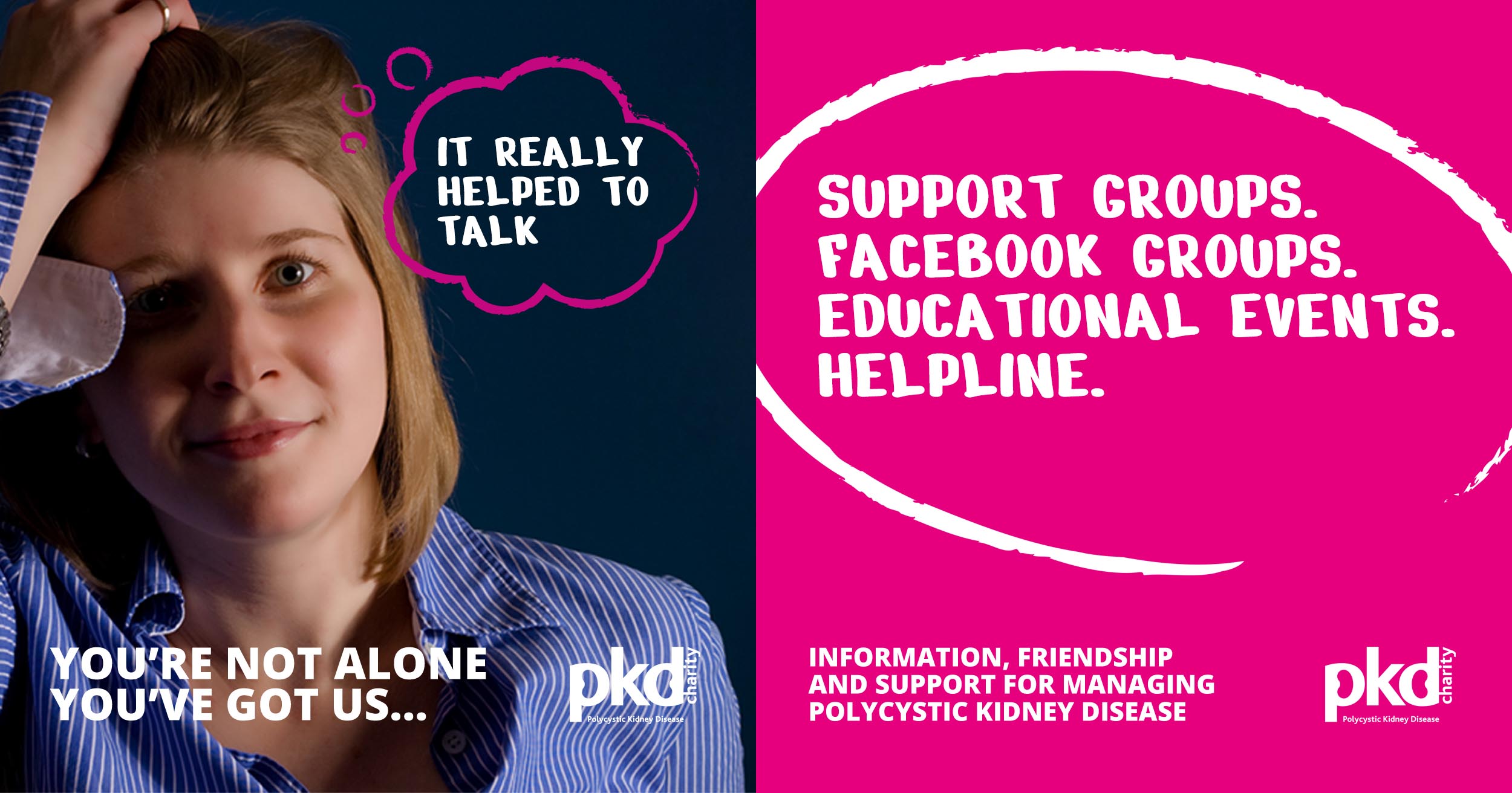
Our charity has many different ways in which you can get the support you need if you’re dealing with ADPKD or ARPKD. These include:
Looking to Fundraise?

We wouldn’t be able to continually support people affected by PKD without our wonderful fundraisers. By getting involved, you’re making a huge difference to the PKD community, spreading awareness and helping to fund further research. If you would like to fundraise for us by taking part in an event, take a look at our events page here, or get in touch with us by emailing [email protected] - we’d love to hear from you!


Useful Links

  • Kidney Research UK has information on the latest research into all forms of kidney disease.

  • Kidney Care UK provides grants and other financial support to all kidney patients.

  • The National Kidney Federation has local kidney patient groups associated with kidney units in hospitals around the UK.

  • The NHS website has health information on a wide range of topics.

  • RaDaR Registry is a UK-wide registry of adults and children with rare kidney diseases including ADPKD. If you’re interested in joining the registry, please ask your kidney doctor for more information, or visit the website.

  • Hits: 63925

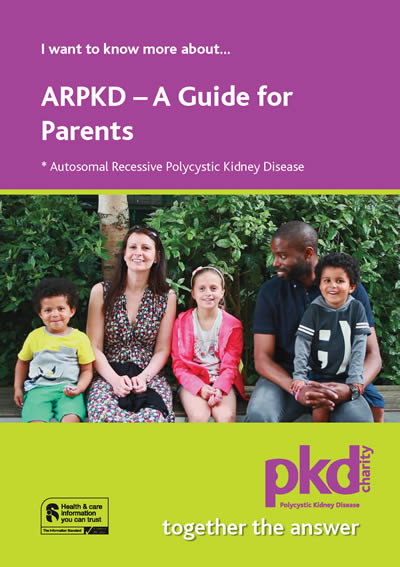
What is autosomal recessive polycystic kidney disease (ARPKD)

Autosomal recessive polycystic kidney disease (ARPKD) is a rare disease that about 1 in every 20,000 babies are born with. It can cause many small fluid-filled sacs (cysts) and scar tissue to form in the kidneys. It can also cause scar tissue, cysts and other changes in the liver.  

ARPKD can affect people differently. Some people with ARPKD have mainly kidney problems, while others have mainly liver problems. The reason for this variation is not known.

The severity of the disease also varies:

  • In the mildest cases, ARPKD does not cause symptoms until childhood or even adulthood. These people will have some health issues but are likely to live long lives.
  • In the most severe cases, babies are born with serious lung and kidney problems. Sadly, about 3 in every 10 of these babies will not survive.

Before birth

Sometimes, signs of ARPKD are found while a baby is growing in the womb. These can show up on a routine pregnancy scan at about 18–21 weeks.

Signs are one or more of the following:

  • An ultrasound scan showing large kidneys with cysts in them or both kidneys looking ‘bright’
  • low levels of amniotic fluid (the fluid in the womb that cushions the baby)

Low levels of amniotic fluid are a sign the kidneys are not working well. This can affect lung development too.

Babies with signs of ARPKD before birth are likely to need specialist medical care as soon as they’re born. Parents-to-be will receive support and advice on what to expect and the best place for the birth.

Newborn babies

Health problems in babies with ARPKD can include:

  • poor lung function in newborns, meaning a ventilator is needed
  • low kidney function (which, if severe, requires dialysis)
  • high blood pressure
  • liver changes
  • difficulty feeding (in part because the stomach and gut might be squashed by large kidneys and liver)
  • particular facial features, twisted feet (club feet) and hip problems
  •  

Not all babies with ARPKD will have these problems. Most babies with ARPKD survive to adulthood. Sadly, those with the weakest lungs might not survive the first days or weeks of life.

Children

We list symptoms of ARPKD in children below. It’s unlikely a child would have all of these problems: they vary over time and from child to child [PKDC AR child].

Kidney problems:

  • reduced kidney function
  • large kidneys
  • infections of the urinary tract (bladder, kidneys and connecting tubes)
  • peeing much more than usual, which can include bedwetting.

Blood problems:

  • low numbers of red blood cells in the blood (anaemia)
  • low sodium in the blood
  • too much acid in the blood
  • high blood pressure.

Liver problems:

  • a large liver
  • a wide bile duct (which sends bile from the liver to the gut). This can affect digestion and get infected (cholangitis).
  • high blood pressure in the vein to the liver (portal hypertension). This can lead to a large spleen, fluid in the abdomen, and swollen blood vessels in the oesophagus (gullet) and gut.

Nutrition and growth problems:

  • not eating well (partly because enlarged kidneys/liver can squash the stomach and gut)
  • being underweight
  • slower development.

Psychological problems:

  • difficult emotions
  • behavioural and attention challenges.

What can be done about ARPKD?

Tests

ARPKD can be diagnosed based on an ultrasound scan (sometimes even before birth). A genetic test can be used to confirm the diagnosis.

People with ARPKD have a team of experts who check their health regularly.

Checks typically include:

  • scans to check the kidneys and liver
  • blood and urine tests to check how well the kidneys and liver are working
  • blood pressure checks
  • chats about how children are getting on at school, at home and in clubs.

Treatments

The treatments that newborns, babies and children with ARPKD need depends on how the disease is affecting them.

Treatments can include:

  • a ventilator (breathing machine) for newborns whose lungs are not fully developed
  • medicines to control blood pressure
  • medicines to treat anaemia
  • diet changes or medicines to control acid levels in the blood
  • antibiotics for infections
  • a feeding tube (gastrostomy) for babies and children who are not eating enough
  • supplements to aid digestion
  • dialysis or a kidney transplant if the kidneys fail
  • removal of one or both kidneys if they’re causing problems
  • procedures, surgery, or a liver transplant to treat problems related to portal hypertension
  • growth hormones for children who are small for their age.

Steps to keep children healthy

Parents can help children with ARPKD to stay healthier and happier by:

  • making sure they drink enough fluid to stay hydrated
  • giving reassurance about bedwetting
  • chatting to the school about their child’s needs
  • being alert for signs of infections (such as a high temperature, pain, and crying in babies)
  • going to all recommended check-ups.

Other people’s experiences

The PKD Charity gives patients a number of ways to connect with each other and share experiences. This includes face-to-face information days, online events, and a Facebook group for ARPKD support. Call our helpline on 0300 111 1234.

How the disease works

ARPKD genes

ARPKD is caused by altered genes (gene mutations). The disease usually occurs when a child inherits altered PKHD1 genes from both their mother and father. Less commonly, it is caused by altered DZIP1L genes.

We all have thousands of different genes. These act as recipes for different proteins that our bodies need to grow and work.

The PKHD1 gene is for a protein called fibrocystin. This protein is found on cells that line tubes in the kidneys and liver. It’s not well understood how an altered PKHD1 gene leads to the changes seen to the kidneys and liver in ARPKD.

How is it inherited?  

Whether or not a person has ARPKD or can pass it to their children depends on whether they have altered copies of the genes linked to ARPKD:

  • A person with two normal copies of PKHD1 (and DZIP1L) is healthy.
  • A person with one altered copy of PKHD1 (or DZIP1L) is a carrier. They don’t have ARPKD but they can pass on the altered gene to a child.
  • A person with two altered copies of PKHD1 (or DZIP1L) has ARPKD.

About 1 in every 70 people in the UK is a carrier of an ARPKD gene.

ARPKD occurs when 2 carriers have a baby who inherits an altered gene from each parent. For 2 carrier parents, there is a 1 in 4 chance of this happening. This pattern is called ‘autosomal recessive’ inheritance. We show it in the figure below using PKHD1 as the example.


Figure 1: How ARPKD genes are passed from parents to their child. Both of the parents in this example have one normal PKHD1 gene (green) and one mutated copy (purple). This means that each of them is a carrier, although they don’t have ARPKD themselves. If these 2 people have a baby, there is a 1 in 4 chance the baby will inherit a mutated gene from each parent (bottom left). This child will have ARPKD. There is a 2 in 4 chance the baby will inherit the normal gene from one parent and a mutated gene from the other. This baby will be healthy, but a carrier. There is a 1 in 4 chance the baby will inherit 2 normal copies of the gene (bottom right). This baby will be healthy and can’t pass on ARPKD.

What’s new? Opportunities for research and development

The ARPKD Rare Disease Group and international partners are aiming to find new and improved treatments for ARPKD and empower patients.

A first step is to collect information on:

  • symptoms
  • treatment choices
  • markers (things you can measure in tests that help to plan treatment).

To do this the group is registering people with ARPKD in the National Rare Kidney Disease Registry (RaDaR). The database will be used to find suitable participants for future research and clinical trials of potential new treatments for ARPKD.

If you’re interested in finding out more about the RaDaR or the activity of the Rare Disease Group, please visit the ARPKD RDG page.


  • Hits: 9521

Our Research Advisory Board

Our Research Advisory Board

The PKD Charity has appointed a Research Advisory Board to review grant applications.

Professor Pat Wilson (Chair)

Dr Richard Sandford (Vice-chair)

Ms Sanela Becar

Professor Detlef Bockenhauer

Dr John Sayer

Dr Manish Sinha

Professor David Wheeler

Read the Terms of Reference of the PKD Charity Research Advisory Board here.

Apply for a Grant

Read about Grants Awarded.

Read more …Our Research Advisory Board

  • Hits: 1117

Fundraising ideas

Fundraising Ideas

Here are some ideas to get the ball rolling and inspire you to begin your life-changing fundraising. 

If you’re not sure where to start, then we’re here to help. Whether you have a fully-fledged master plan, or an idea on a napkin, we’d love to hear all about it.

Email our Fundraising Manager at [email protected] or call 07715 664687 if you need help or have any questions.


  • A - Afternoon Tea

    You provide the endless cups of tea (or prosecco) and guests provide the finger sandwiches and cupcakes. Host it at home or in a local hall.

  • B - Bake Sale

    The classic fundraiser everyone can get involved in and is really simple (or dare we say, a piece of cake)! Bring your friends, family, colleagues, and community together whilst supporting a great cause.

  • C - Car Wash

    Grab a bucket, soak a sponge, and wear some old clothes. Cars can get filthy. But where there’s filth, there’s fundraising!

  • D - Dinner Party

    Create a fancy menu and invite friends or family round for dinner. Dress up and ask guests to donate what they would’ve paid at a restaurant.

  • E - Egg and Spoon Race

    Go old school and host a sports day, either in your back garden, local park or even your workplace. Ask for donations to take part in the egg and spoon race, beanbag on the head, three-legged races… and succumb to nostalgia!

  • F - Football Match

    Ask players to donate their time and ask spectators for donations. Shake a bucket and cook some half time food for extra cash.

  • G - Games Night

    Everyone loves a board game, so invite your friends and family to join with a donation to attend. And remember – no cheating!

  • H - Head Shave

    Just do it. Hair grows back, right? Gather everyone together and set up a livestream so the world can watch it happen.

  • I - International Night

    Spanish, French, Mexican, Japanese… pick a theme and explore another culture for the night with good food, music, dancing, games and movies. People can donate what they would have spent on a night out.

  • J - Jumble Sale

    Who couldn’t do with a clear-out?! Sell your old clothes, shoes, and random things you just don’t need anymore. Why not get your friends and family to do the same.

  • K - Karaoke Night

    Take your party to a new level of fun. Book a room, Zoom, or rent a karaoke machine for the night at home or a local pub, and ask for donations to attend.

  • L - Loose Change

    Grab yourself a PKD Charity collection box and get friends, family and colleagues to empty their pockets. Pennies make pounds!

  • M - Murder Mystery

    Dim the lights for a murderous night of fun. Set up a whodunnit yourself or download one online. Just ask for a donation to join in

  • N - Non-Uniform Day

    Ask colleagues to get comfy for a donation. You can even go for a theme or ask everyone to turn up in their pyjamas.

  • O - Office Olympics

    Wheelie chair race or wastepaper bin basketball challenge? You’d be surprised what games you can come up with to fit between meetings! People can donate per challenge or race.

  • P - Pub Quiz

    A British classic. Set a date with your local pub and start thinking of questions. Get your friends, family and colleagues involved, and spread the word!

  • Q - Quit It

    There’s never a better time to kick that habit. Whether it’s for a month, year, or forever, ask for people to sponsor your efforts to quit social media, swearing, sugar…

  • R - Raffle

    Get in touch with local businesses to ask for raffle prizes (contact us for a fundraising letter of authorisation). You can even have the raffle at your pub quiz or afternoon tea.

  • S - Swear Box

    A great idea for work or home. Whenever someone curses, they must donate!

  • T - Talent Show

    Everyone has a secret talent. Hold this in a local pub, community centre, school hall, or your back garden! Ask for donations to attend…or to avoid taking part!

  • U - Use Your Skills

    Handy with nail varnish or at DIY? Offer your skills in return for donations. You’ll have people queuing out the door for haircuts, manicures, odd jobs…

  • V - Video Game Night

    Get your mates round for a night of gaming!

  • W - Wax It Off

    If you’re not brave enough for a head shave, what about a wax? The more people donate, the more hair you have to have waxed! You’ll be super smooth when they’re done with you.

  • X - X Marks the Spot

    Organise a treasure hunt and leave a trail of clues around your office or whole town. Get people into teams and the first to finish wins a prize. A ticket to the treasure hunt costs a donation.

  • Y - Year Long Challenge

    Give up booze for a year. Run a race every weekend. Read a book a week. Dedicate yourself to a challenge to rack up the donations.

  • Z - Zzzz

    Looking for fundraising ideas? You've come to the end of our list! If you've tried one of our suggestions, we'd love to hear how you got on and if you've tried more than one, you're due for a well-earned rest ‘til next time. Zzz!

Read more …Fundraising ideas

  • Hits: 3242

Sponsorship form

Sponsorship Form

Download your sponsorship form and get top tips on how to spread the word about your fundraiser - to inspire your friends, family and community to support you by sharing your event details, fundraising goals and personal story.

Download your sponsorship form here.

Tips for boosting your Sponsorship Form donations

  • Take your sponsorship forms into work. Asking people personally always works best, but if you can’t do that, then see if you can put your forms on a notice board for others to fill-in - you could even make a poster to encourage colleagues to sponsor you!
  • Add your fundraising target to your sponsorship form so people know what you are aiming for – fingers crossed it might help them be a bit more generous with their donations.
  • Ask generous sponsors to donate first to set a great sponsorship precedent. You can increase your overall total by up to 5% by doing this.
  • Use a PKD Charity collection tin or box alongside your sponsorship forms in the workplace – keep it on your desk and encourage spare change donations. Email our fundraising manager at [email protected] or text/call 07715 664687 if you need a tin or box.

Ask Sponsors to Gift Aid their donation

If your sponsors Gift Aid their donation, PKD Charity will receive an additional 25p from HMRC for every £1 they donate. This turns a £10 donation in to £12.50 and best of all it won't cost them anything. 

Read more …Sponsorship form

  • Hits: 7008

PKD Leaflets

PKD Leaflets

Download or order our PKD leaflets to improve your knowledge or help spread the word and raise vital awareness about polycystic kidney disease. To order, please e-mail or call 0300 111 1234. Thank you.

Read more …PKD Leaflets

  • Hits: 2697

Register your Fundraising

Register your fundraising

If you already know what you want to do to fundraise for PKD Charity, please let us know by completing this short form so we can support your efforts.

Once you have registered your fundraising, our Fundraising Manager will be in touch to offer their support to help you raise as much as possible. Alternatively, you can email [email protected] or call 07715 664687 if you would like to chat about your fundraising plans.

We promise to keep your details safe. Your details will only be used to send you news about our work. You can ask to be removed from our database at any time and we will never give your information to a third party.

We will hold the details you provide for communication, marketing, analysis and administration purposes. Read our privacy policy to find out what data we collect and hold, what it is used for and where it is stored. Contact our Helpline on 0300 111 1234 if you have any questions about data protection.

Read more …Register your Fundraising

  • Hits: 21965

Feedback

We welcome feedback on the information provided on this webpage. If you have any feedback regarding the information provided on this webpage, please complete the Feedback Form