
Life with ADPKD

LIfe with ADPKD
This section focuses on the day-to-day experience of living with ADPKD, including physical, emotional, and practical aspects. You’ll find guidance and support to help you manage your condition and maintain your quality of life.
To find out more about the many ways we offer support for those affected by PKD, please see our Get Help page.
-

Diet and lifestyle in ADPKD
Diet and lifestyle choices can play an important role in managing ADPKD. This resource explains practical steps to support kidney health in everyday life.
-

Wellbeing
Living well with ADPKD involves balancing your health, wellbeing, and daily activities. This resource offers guidance to help you maintain a good quality of life.
-

Appointment tips
Preparing for appointments can help you get the most out of your care. This resource offers practical tips to help you feel informed and confident when speaking to healthcare professionals.
-

Pregnancy and ADPKD
ADPKD can raise questions around pregnancy and planning a family. This resource explains potential risks and the support available before, during, and after pregnancy.
-

Employment advice
Work and career plans can sometimes be affected by living with ADPKD. This resource outlines key considerations, your rights, and the support available.
-

Financial advice
PKD may affect your ability to work, or mean you reduce your hours. This can have a knock-on effect on your finances. This page explains where to find financial advice, including about the benefits you might be entitled to.
-

Insurance
Getting insurance can be a real problem for people affected by PKD. If you are looking for health, travel, life or critical illness insurance, we give you information on finding the best options.
Pregnancy
Pregnancy
ADPKD and pregnancy
-

Planning a pregnancy
-

Being pregnant
-

Giving birth
Dialysis
Dialysis
ADPKD and pregnancy
-

Introduction to dialysis
Dialysis is a treatment that takes over some of the kidney’s functions when they can no longer work effectively. This resources gives an overview of dialysis and the types of dialysis avaiable.
-

Haemodialysis
This section explains more about haemodialysis, the most commonly used type of dialysis, where a machine filters your blood to remove waste and fluid.
-

Peritoneal dialysis
This section explains more about peritoneal dialysis, a less commonly used type of dyalisis, where a special type of fluid is added into a space in your abdomen (tummy).
Surgery
Surgery for ADPKD
-

Types of surgery for ADPKD
-
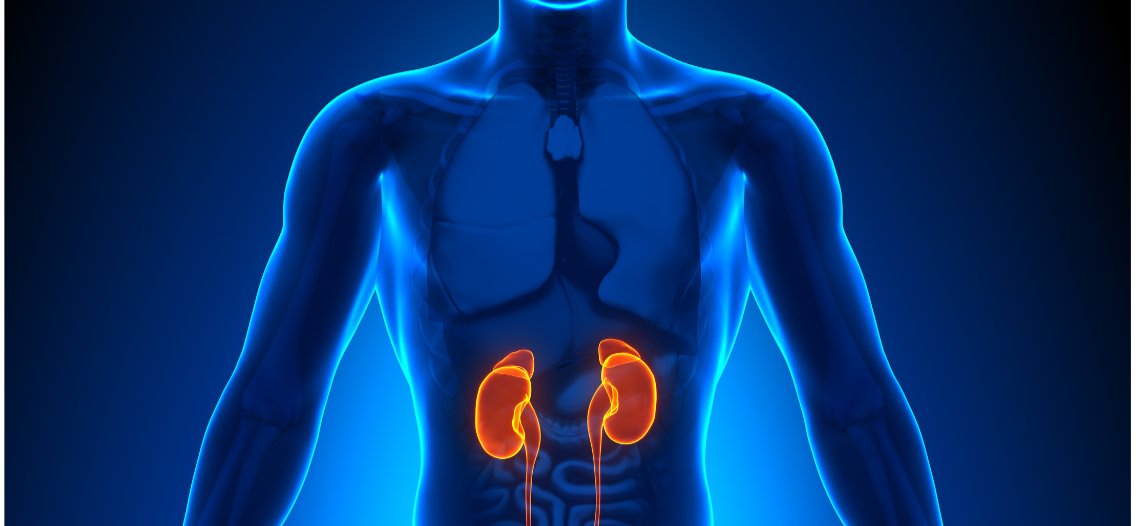
Kidney removal (nephrectomy)
-

Kidney transplant
-
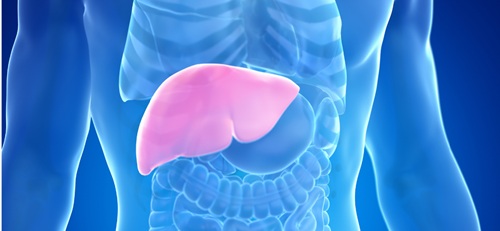
Liver transplant
Medicines
Medicines
ADPKD and pregnancy
-

Medicines to treat ADPKD
Medication plays a role in both slowing the progression of ADPKD and managing its symptoms. This resource explains the treatment available.
-

Medicines to avoid
Some medicines may not be suitable for people with ADPKD. This resource highlights what to be cautious about and when to seek medical advice.
What is ADPKD
What is ADPKD?
This section provides information about ADPKD (Autosomal Dominant Polycycstic Kidney Disease) including what it is and how it is diagnosed.
To find out more about the many ways we offer support for those affected by PKD, please see our Get Help page.
-

ADPKD basics
Learn the basics of ADPKD, including what causes the condition, how it affects the kidneys and other parts of the body, and what it may mean for you and your family.
-

How is ADPKD diagnosed?
Find out how ADPKD is diagnosed, including the tests that may be used and when genetic testing might be recommended. Understand what to expect if you or a family member may have the condition. -

How are cysts formed?
Learn how cysts develop and grow in ADPKD, and how these fluid-filled sacs can affect the kidneys over time. Understand the role cysts play in the progression of the condition. -

Genetic testing and counselling
Learn about genetic testing and counselling for ADPKD, including when testing may be helpful and what the results could mean for you and your family. Understand the support available when considering your options.
Children with ADPKD
Children with ADPKD
This section provides information about how ADPKD affects children, including early signs, diagnosis, and emotional support. You’ll find practical resources to help parents and carers understand the condition and support their child with confidence.
To find out more about the many ways we offer support for those affected by PKD, please see our Get Help page.
-

Symptoms and testing in children
Learn about the signs of ADPKD in children and how the condition is diagnosed, including when testing may be recommended. This resource helps you recognise early indicators and understand the testing process.
-

Talking to your child about ADPKD
Learn how to talk to your child about ADPKD in an honest, age-appropriate way. This resource helps you support their understanding while building reassurance and trust.